Why Do You Feel Lost in a Relationship and How Can You Reconnect With Yourself?
You may be surrounded by someone you love and still feel strangely disconnected from yourself. The activities you once enjoyed receive less attention, your personal goals have been postponed, and making decisions without your partner's opinion feels uncomfortable. Feeling lost in a relationship often develops so gradually that you do not recognize what is happening until you struggle to remember who you were before the relationship became the center of your life.
In her Resilient Hearts podcast episode, Aparnaa Jadhav discusses how repeated compromises, people pleasing, guilt, and putting everyone else first can slowly weaken self-trust. Recognizing these patterns can help you understand what has changed and begin rebuilding a healthier connection with yourself.
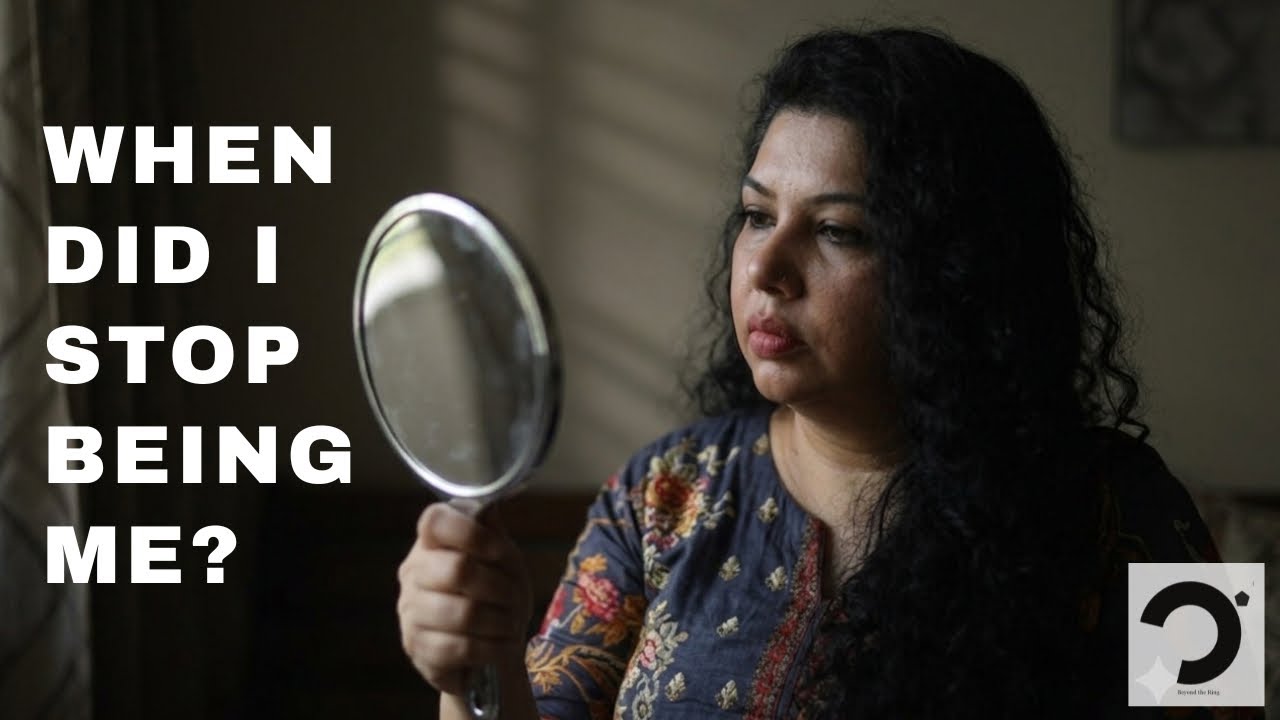
Why Do You No Longer Feel Like Yourself?
Your Needs Have Slowly Become Less Important
Healthy relationships involve adjustment from both people. You may occasionally change plans or prioritize your partner during difficult situations. The problem begins when putting yourself last becomes your permanent role.
You stop expressing opinions because disagreements feel exhausting. You abandon personal interests because your partner does not share them. You avoid making independent decisions because you fear disappointing someone.
Over time, losing identity in a relationship can leave you uncertain about your own preferences, values, and ambitions.
How Can You Tell If You Are Losing Your Identity?
Your Entire Life Revolves Around Your Partner
Consider what remains in your life that belongs specifically to you.
Do you maintain supportive friendships? Do you pursue interests independently? Can you make ordinary decisions without asking for approval? Do you have goals that are not connected to your relationship?
If most parts of your life depend on your partner's preferences, reactions, and availability, you may have gradually disconnected from your individuality.
You Constantly Ignore Your Own Feelings
Another warning sign is automatically dismissing your emotions.
You may tell yourself that you are overreacting whenever something hurts you. You remain silent to prevent conflict or apologize for expressing reasonable needs.
Repeated self-silencing can weaken your confidence and make it difficult to trust your judgment.
When Does Emotional Connection Become Dependency?
Your Emotional Stability Depends on One Person
Emotional dependency in relationships develops when another person's attention, approval, and reassurance become necessary for you to feel secure.
You may experience intense anxiety when your partner becomes distant, repeatedly seek reassurance about the relationship, or change your behavior according to their mood.
Healthy emotional connection allows people to support one another while maintaining personal responsibility for their emotional wellbeing.
Dependence becomes harmful when you believe you cannot feel confident, make decisions, or manage difficult emotions without your partner.
Why Can Codependency Feel Like Love?
Constant Sacrifice Can Be Mistaken for Commitment
Codependency in relationships can develop when caring for someone turns into ignoring your own wellbeing.
You may feel responsible for fixing your partner's problems, preventing their disappointment, managing their emotions, or protecting them from the consequences of their choices.
These behaviors can appear loving, but constantly prioritizing another person's life can gradually disconnect you from your own needs.
Healthy support does not require self-abandonment.
Which Relationship Red Flags Should You Notice?
Healthy Love Should Leave Room for Individuality
Some relationship red flags directly interfere with your ability to maintain an independent identity.
These may include:
- Being criticized for spending time with friends
- Feeling guilty for pursuing personal interests
- Needing permission before making ordinary choices
- Constantly changing your behavior to prevent conflict
- Being discouraged from pursuing career or educational goals
- Feeling afraid to establish personal boundaries
These behaviors should not automatically be dismissed as normal relationship difficulties, particularly when they become repeated patterns.
Are You Ignoring Unhealthy Relationship Signs?
Pay Attention to How the Relationship Changes Your Behavior
Not every disagreement indicates an unhealthy relationship. The more important question is whether repeated patterns are changing how you live and feel about yourself.
Common unhealthy relationship signs may include constant anxiety, declining confidence, social isolation, fear of expressing opinions, excessive guilt, and feeling responsible for keeping your partner emotionally stable.
Ask yourself whether you feel supported in becoming more confident and independent or pressured to become smaller to maintain the relationship.
That question can reveal important information about your relationship dynamics.
How Can You Start Reconnecting With Yourself?
Rebuild Your Identity Through Small Choices
If you are feeling lost in a relationship, you do not need to rediscover your entire identity immediately.
Start by identifying one thing you stopped doing because the relationship gradually took priority.
Reconnect with a trusted friend. Return to an old interest. Spend time alone without feeling required to explain yourself. Make one independent decision about your future.
Aparnaa Jadhav encourages women to become curious about their needs, emotions, and priorities instead of automatically judging themselves for losing touch with these parts of their identity.
Practice Listening to Your Own Opinions
Before asking what your partner wants, practice asking yourself.
What do I prefer?
What makes me uncomfortable?
Which boundaries matter to me?What goals do I want to pursue?
Listening to your answers can help rebuild self-awareness and personal confidence.
Reconnecting With Yourself Is a Gradual Process
Feeling lost in a relationship does not mean you need to make every major life decision immediately. It means your relationship with yourself deserves attention.
Recognizing losing identity in a relationship, emotional dependency in relationships, and codependency in relationships can help you identify patterns that have weakened your self-trust.
Start by creating space for your friendships, opinions, interests, and goals. Pay attention to relationship red flags and repeated behaviors that discourage healthy independence.
Rebuilding your identity happens through small, consistent choices. Each time you express an honest opinion, maintain a healthy boundary, reconnect with a meaningful interest, or make an independent decision, you strengthen your relationship with yourself and move toward a life where love and individuality can exist together.